
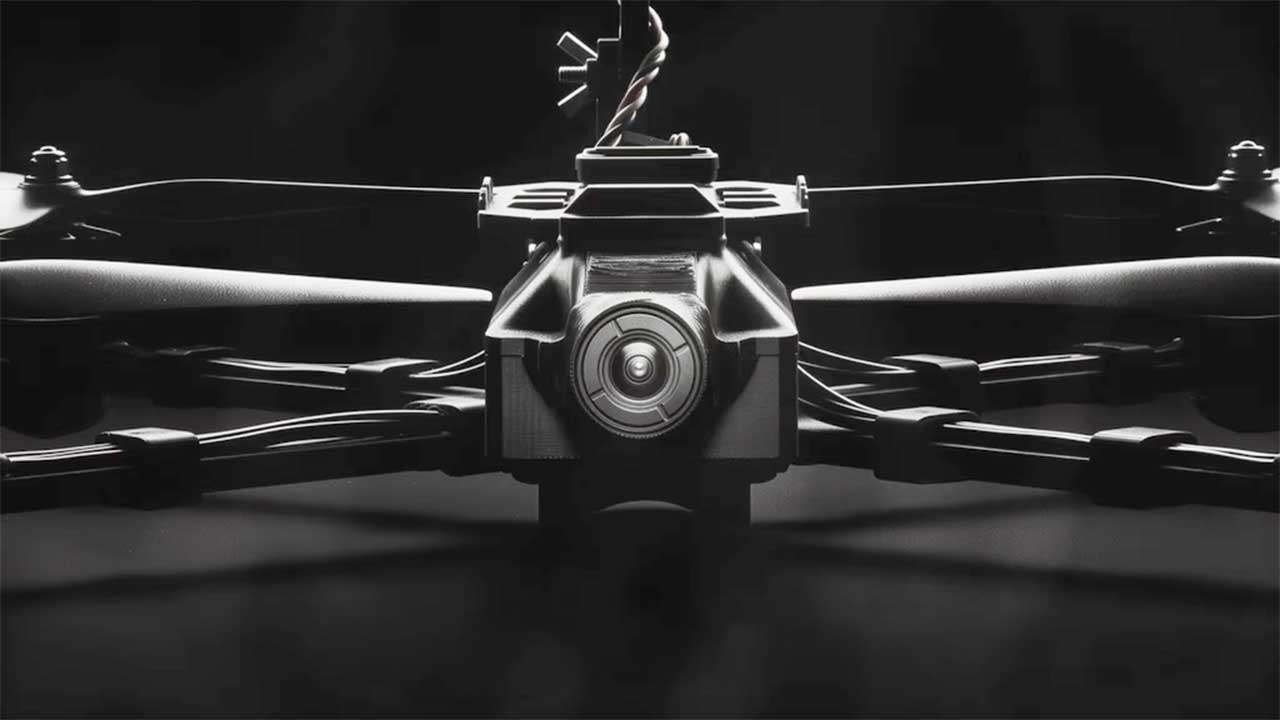
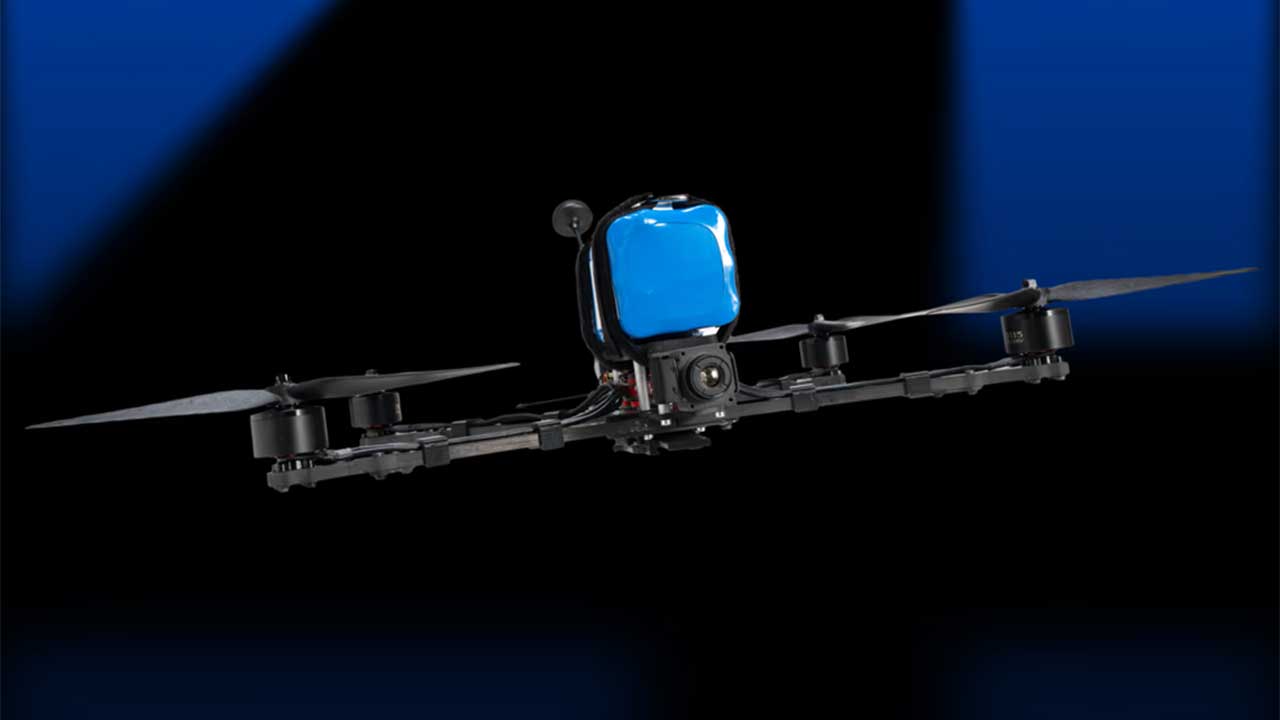
Ukraine has achieved another breakthrough in the development of military drones with the NATO codification of the Lupynis-10-TFL-1-T, an FPV drone designed for night operations.
The recognition facilitates the identification and standardization of the equipment within the alliance, highlighting its relevance to the defense sector.
The model’s main distinguishing feature is its autonomous navigation system based on artificial intelligence. Even when communication is completely lost due to electronic warfare systems, the drone can identify the target, calculate its boundaries, and independently carry out the attack all the way to the point of impact.
According to developer The Fourth Law, the technology provides a hit rate of more than 70%, while increasing the effectiveness of missions carried out by FPV drones by between two and four times. Despite the operational improvement, the increase in production costs is reportedly around 10%, making the solution competitive.
The Lupynis-10-TFL-1-T primarily uses components produced in Ukraine, including the Kurbas-640α thermal imaging camera, the Karma flight control system, and a 10-inch carbon frame manufactured in the country. The equipment is already available on the DOT-Chain Defence and Brave1 platforms, while the company is also expanding its portfolio with the Zerov-8 interceptor drone, which is likewise equipped with AI-based autonomous guidance.
+ Ukrainian naval drones strike two tankers from Russia’s shadow fleet in the Black Sea
Source: Militarnyi | Photo: X @thefourthlawai | This content was created with the help of AI and reviewed by the editorial team
This night kamikaze drone combines the Kurbas-640α thermal camera from @SystemsOdd with the TFL-1 autonomy module – enabling target identification and engagement in complete darkness, under active EW jamming, and without operator input during the final phase of flight.
— The Fourth Law (@thefourthlawai) July 14, 2026
